Thinking about listing your Randolph home and want to come out strong? You’re not alone. With steady buyer demand in the Boston suburbs, the right prep can mean faster offers and a better bottom line. In this guide, you’ll get a clear plan tailored to Randolph and Massachusetts rules so you can avoid delays, highlight value, and launch with confidence. Let’s dive in.
Randolph market now: what it means
Recent reports show Randolph’s median sale price around $580,000 with typical market time near 32 days. Zillow’s local index tracks values near $570,000. That tells you demand is solid, but homes do not sell overnight. If you prepare, price, and present well, you give buyers a reason to compete.
Spring is often the busiest listing season in Greater Boston. If you are targeting a spring launch, build a 4 to 8 week runway for repairs, staging, and photography. You can still sell well at other times of year, but seasonality shapes buyer traffic, so timing and presentation matter.
What Randolph buyers value now
- Commuting convenience. Randolph offers access to I‑93 and Route 24, plus connections to MBTA bus lines and the Holbrook–Randolph commuter rail area. Highlight drive times and transit options in your listing copy.
- Move‑in ready feel. Clean, bright, and freshly updated spaces outperform dated ones at the same price point.
- Clear digital presentation. Professional photos, a floor plan, and a short tour help serious buyers engage early.
Must‑do Massachusetts requirements
Tackle these early so nothing slows you down once you find a buyer.
Title 5 for septic systems
If your property uses a septic system, a Title 5 inspection is typically required within two years before sale, or within six months after closing if weather prevents earlier access and the buyer agrees in writing. Learn what to expect in the state’s Title 5 guidance and schedule a licensed inspector well before listing. See the Massachusetts guide on buying or selling with a septic system for details: Massachusetts Title 5 guidance.
Smoke and carbon monoxide certificate
Before closing, most one‑ and two‑family homes must pass a local fire department inspection for smoke and CO alarms. Requirements vary by home age and system type, and certificates are time‑limited. Review the state overview, audit your alarms, and book the inspection as you near listing. Read the state’s summary here: Massachusetts law on carbon monoxide detectors.
Lead‑paint disclosure for pre‑1978 homes
If your home was built before 1978, federal law requires you to disclose known lead‑based paint information and provide buyers with the EPA pamphlet, along with a 10‑day testing option that buyers may waive. Get the official guidance here: EPA lead‑based paint disclosure rules.
Radon and well water tests
Radon testing is not required statewide for most sales, but many Massachusetts buyers ask for it. The state recommends testing, and the EPA action level is 4 pCi/L. If you have a private well, plan water testing too. Learn more from the state: Massachusetts DPH radon testing guidance.
Open permits and documentation
Unclosed building permits and missing sign‑offs can stall a sale. Confirm your permit history, close out open items, and organize receipts, warranties, and manuals. For a practical overview of how open permits can affect a Massachusetts sale, see this summary: Selling a house with open permits in Massachusetts.
Smart updates that pay off
Focus on projects that improve first impressions and photo appeal without over‑spending.
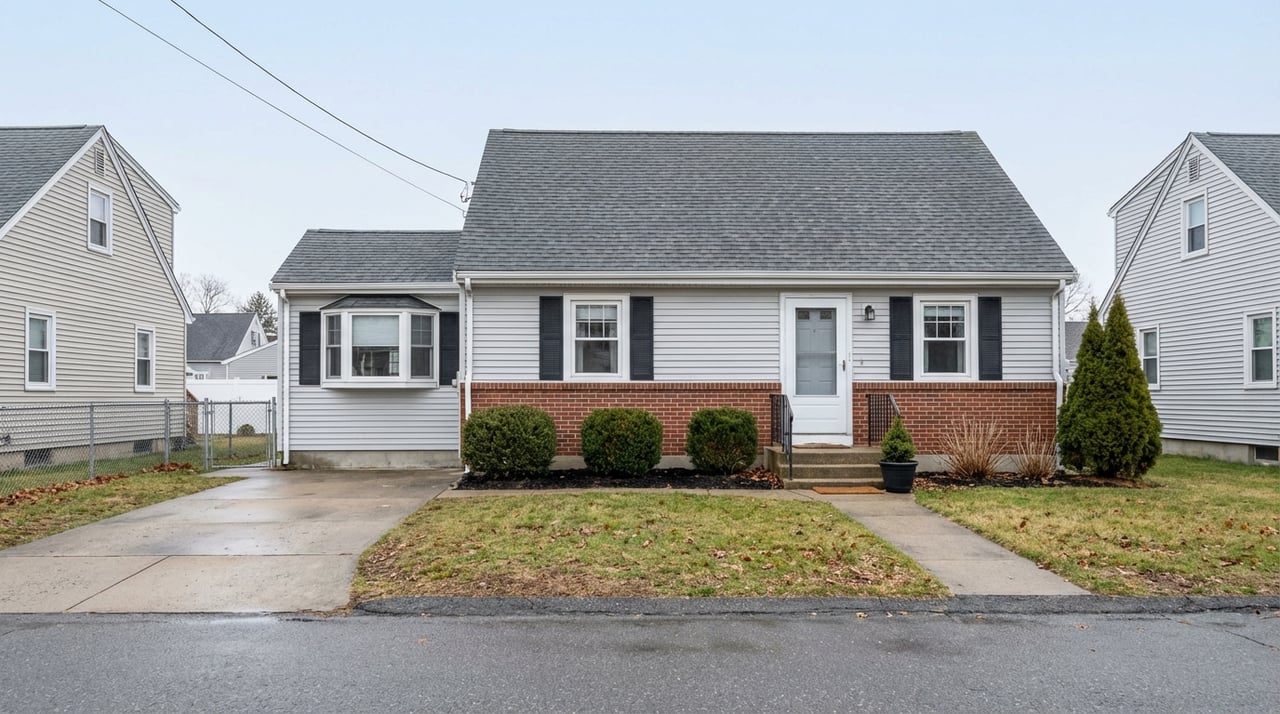
Exterior curb appeal wins
National 2025 Cost vs. Value findings show exterior replacements often deliver strong resale recapture. Items like a new garage door, steel entry door, manufactured stone veneer, and fiber‑cement siding rank near the top. Use neighborhood comparables to decide what fits your street. Explore the full data here: 2025 Cost vs. Value report.
Quick curb appeal checklist:
- Power‑wash siding and walkways, clean gutters, tidy beds.
- Refresh front door paint and hardware. Consider a new door if worn.
- Repair trim and railings. Evaluate the garage door condition.
- Add simple, seasonal planters and edge the lawn for photos.
Quick kitchen and bath refreshes
You do not need a full gut to get results. Focus on visible upgrades:
- Paint dated cabinets in a neutral tone and swap hardware.
- Replace a few key fixtures and lights for a modern look.
- Re‑caulk and re‑grout to make tile and tubs look clean and tight.
Fix safety and basics first
A smooth inspection protects your net proceeds. Address GFCI outlets near water, slow drains, leaky faucets, loose railings, broken panes, and wobbly steps. These simple fixes boost buyer confidence.
What to skip
Avoid over‑customized finishes or full high‑end remodels that push beyond neighborhood norms. Use a current CMA to validate any big spend before listing.
Staging and photos that sell
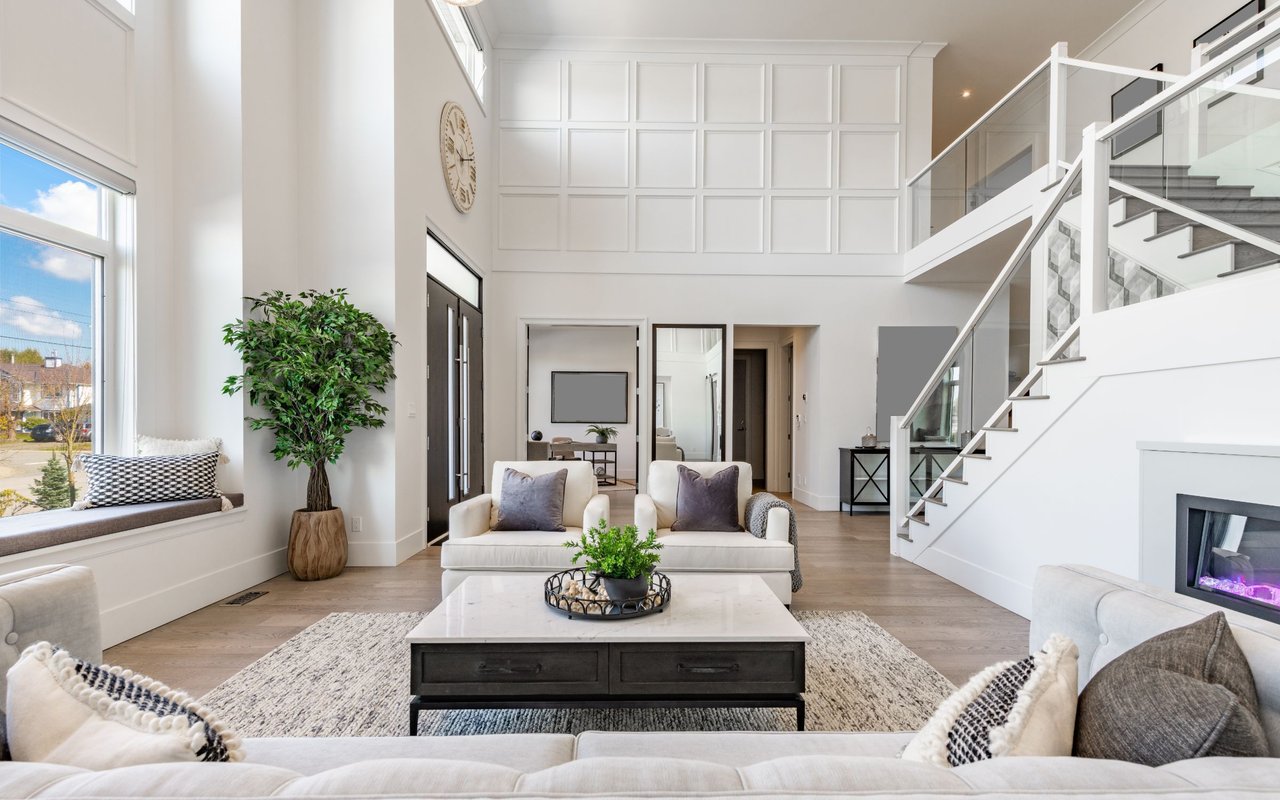
Staging works because it helps buyers picture daily life in the space. In the 2025 NAR Profile of Home Staging, many agents reported faster market times and stronger offers for staged homes, with the living room, primary bedroom, and kitchen ranking as top priorities. See the summary here: NAR 2025 staging findings.
Practical Randolph staging plan:
- Declutter and depersonalize first. Remove excess furniture to open walkways.
- Keep paint colors consistent and neutral across main areas.
- Stage the living room, primary bedroom, and kitchen before photos. Consider virtual staging if the home will be vacant.
Photos are your first showing. Buyers rely on images and floor plans to shortlist what they visit. The NAR 2025 buyer trends highlight how essential high‑quality photos are to online search behavior. Review the perspective here: NAR 2025 Home Buyers and Sellers report.
Photo and media tips:
- Hire a pro who specializes in residential real estate.
- Capture 18 to 25 images with a logical sequence and a clear cover photo.
- Add a floor plan and a short tour or Matterport link in the MLS.
- Consider a twilight exterior if the façade looks great at dusk.
Pre‑listing inspections to prevent surprises
A seller’s inspection can uncover issues before a buyer’s inspector does, which reduces renegotiation risk and gives you control over repairs. Industry guidance points to smoother negotiations and faster closings when sellers get ahead of defects. Learn more about how pre‑listing inspections help: Pre‑listing inspection benefits.
Typical costs and add‑ons in our area:
- General home inspection often runs about 300 to 600 dollars, depending on size and scope.
- Radon testing typically costs about 100 to 250 dollars for a short‑term test. See the state’s guidance: Massachusetts DPH radon testing.
- Sewer scope can range around 200 to 500 dollars, often worth it for older lines.
If an inspection finds a major item, you can fix it, price accordingly, or offer a credit. Your strategy depends on timing, budget, and how competitive the market is that week.
A 6 to 8 week pre‑listing roadmap
Use this timeline as a practical guide. Adjust based on your property and contractor availability.
Week 8 to 6: Plan and order inspections
- Confirm if you are on sewer or septic. If septic, schedule your Title 5 inspection early: Massachusetts Title 5 guidance.
- Order a general pre‑listing home inspection to identify priority fixes.
- Collect bids for must‑do repairs like roof leaks, electrical hazards, or plumbing issues.
Week 6 to 4: Make repairs and boost curb appeal
- Complete safety and water‑intrusion fixes first.
- Paint main rooms in a light, neutral palette; refresh trim.
- Power‑wash siding and hardscape. Clean gutters and tidy landscaping.
Week 4 to 2: Stage and organize documents
- Declutter and stage the living room, primary bedroom, and kitchen.
- Gather permits, renovation receipts, warranties, appliance manuals, and service records.
- If your home was built before 1978, prepare the lead disclosure and EPA pamphlet: Lead disclosure rules.
Week 2 to launch: Photos, compliance, and go live
- Book professional photos, a floor plan, and a short tour.
- Deep clean, including windows, carpets, and grout.
- Test smoke and CO alarms, then schedule your local fire department inspection for the certificate: CO detector law overview.
- Launch on your target day. If you can, aim for strong buyer windows and weekend traffic.
During escrow: Keep momentum strong
- Provide the buyer with inspection records and, if applicable, the Title 5 report.
- Resolve any agreed repairs and coordinate re‑inspections.
- Confirm all municipal items are closed, including open permits and final utility readings. For why this matters, see: Open permits in Massachusetts sales.
Local listing tips that move the needle
- Lead with commute details. In remarks and captions, include typical drive times and nearby transit options that serve Boston and the South Shore.
- Price with precision. Use a current CMA to reflect nearby actives and pendings, not just last quarter’s sales.
- Make it easy to tour. Clean lines of sight, labeled rooms in the floor plan, and clear showing windows attract serious buyers.
When you are ready to move from planning to action, partner with a full‑service local pro who can coordinate vendors, staging, and marketing, then negotiate hard when the offers come in. If you want a tailored plan for your address, connect with Kristen Meleedy for a room‑by‑room prep strategy and to get your free home valuation.
FAQs
What is Title 5 and how does it affect a Randolph home sale?
- If your home has a septic system, Massachusetts Title 5 typically requires an inspection within two years before sale, with the report provided to the buyer and the local board of health.
How do I get a smoke and CO certificate in Massachusetts?
- You schedule an inspection with your local fire department to verify alarm placement and type, then receive a compliance certificate that most closings require.
Do I need to disclose lead paint for a pre‑1978 Randolph home?
- Yes. Federal law requires a lead disclosure, the EPA pamphlet, and a 10‑day testing window that a buyer may waive.
Which pre‑sale updates add the most value in Randolph?
- Exterior upgrades that improve curb appeal, plus modest kitchen and bath refreshes, typically deliver strong perceived value for buyers relative to cost.
Should I pay for a pre‑listing inspection?
- Many sellers do, because it can uncover issues early, reduce renegotiation risk, and let you control repair timing and costs before buyers tour.
When is the best time to list in Randolph?
- Spring often delivers the most buyer activity, but you can sell well year‑round by pairing the right price with strong staging, photos, and a clean compliance file.