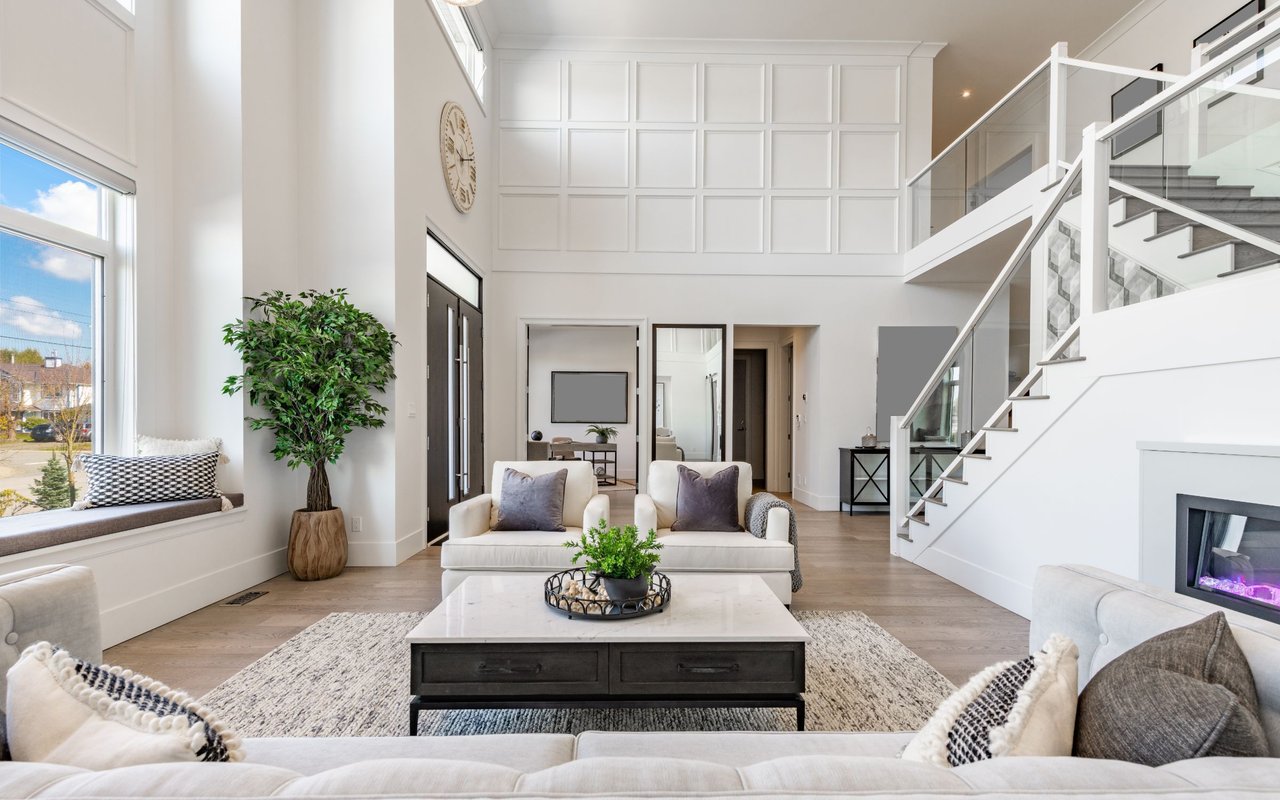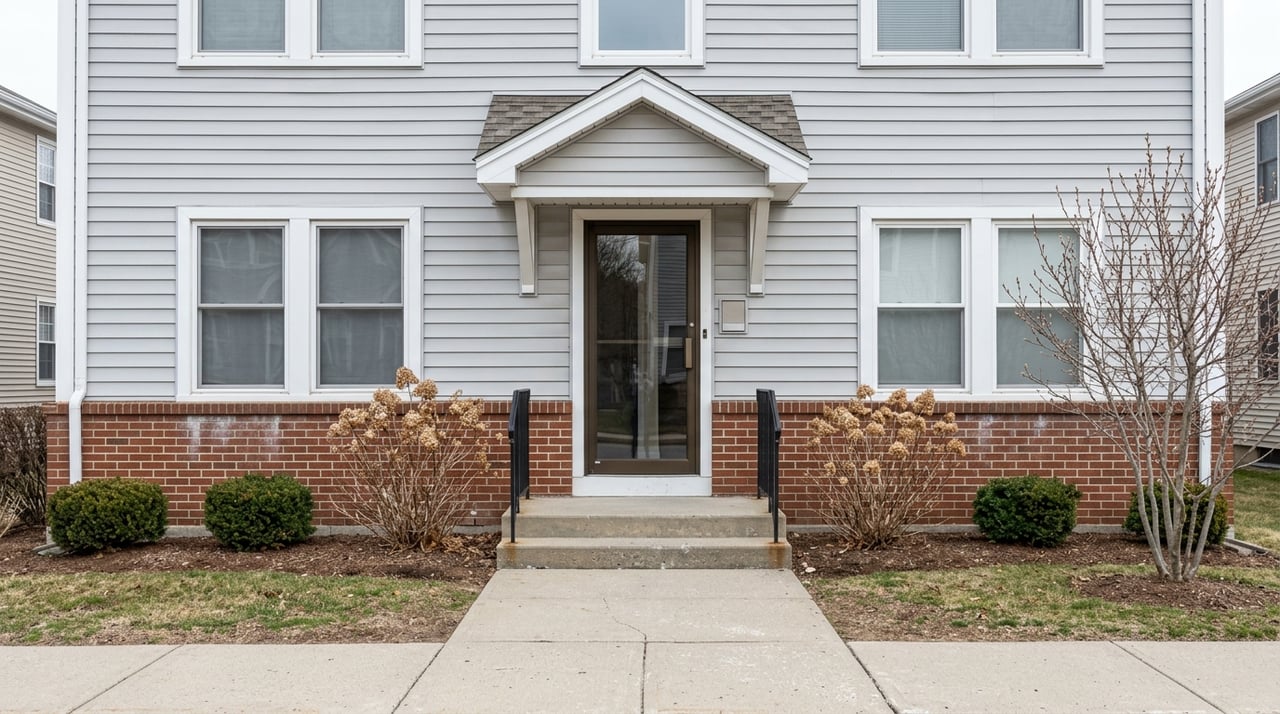
Wondering whether a Hyde Park condo or single-family home is the better fit for your life and budget? You are not alone. In a competitive neighborhood where prices can vary a lot by property type, making the right choice means looking beyond the list price and thinking about monthly costs, maintenance, space, and how you want to live day to day. This guide will help you compare both options in Hyde Park so you can move forward with more clarity and confidence. Let’s dive in.
Hyde Park Housing at a Glance
Hyde Park offers a mix that many Boston-area buyers find appealing. According to Boston planning sources, the neighborhood combines city amenities with a quieter, more suburban feel, with a housing mix that includes historic buildings and mid-century single-family homes.
The market is also competitive. Recent reporting shows Hyde Park homes selling around the mid-$670,000 range, with homes typically getting about two offers and selling in roughly 27 to 28 days. That means your decision is not just about preference. It is also about being realistic, prepared, and clear on your priorities before you start shopping.
Hyde Park Condo Prices vs Single-Family Prices
For many buyers, the first big difference is price. Recent Hyde Park condo examples range from the high $200,000s into the $700,000s, with Redfin showing condos for sale at a median listing price of about $577,000.
Single-family homes in Hyde Park often sit higher. Recent examples include a single-family sale at $665,000 and a new-construction single-family listing at $849,900. While every home is different, the local pattern is clear: if you want more land, more parking, and more private space, you will often pay more upfront for a single-family home.
What You Get With a Condo
A condo can be a smart choice if you want a lower entry point into Hyde Park. In many cases, you can buy into the neighborhood for less than the cost of a comparable single-family home, which can make homeownership feel more accessible.
Condo living in Hyde Park is not one-size-fits-all. Some units are priced near $265,000 to $279,000, while others reach $635,000 to $700,000 depending on the building, finishes, size, and amenities. That range gives you options, but it also means you should compare monthly costs carefully, not just sticker price.
Another benefit is shared upkeep. Under Massachusetts condo law, the organization of unit owners manages common areas, handles insurance for shared parts of the property, keeps financial records, levies common expenses, and maintains reserve funds. In plain terms, that usually means you will have less hands-on responsibility for exterior and common-area maintenance.
That said, condo ownership comes with monthly HOA dues. Local examples show dues ranging from $182 per month to $598 per month, with some current listings around $467 to $507 per month. Depending on the building, those fees may cover items like heat, hot water, water, sewer, insurance, trash, snow removal, common-area maintenance, storage, elevator access, and reserve funding.
What You Get With a Single-Family Home
A single-family home usually gives you more control over the property. In Hyde Park, recent examples show features that many buyers value, including larger lots and more parking. One example included a 5,010-square-foot lot and four parking spaces, while another had a 5,000-square-foot lot and two parking spaces.
That extra room often supports a different lifestyle. If you want more privacy, more freedom to manage outdoor space, or a home that feels more suburban while still being in Boston, a single-family property may be a better match.
You also avoid condo association rules and monthly HOA dues. For some buyers, that flexibility matters a lot. If you want to make property decisions more independently, a single-family home often offers that advantage.
The tradeoff is maintenance. Under Massachusetts sanitary code rules, the owner of a dwelling is responsible for keeping core structural elements in good condition, including the roof, windows, doors, porches, walls, floors, staircases, and chimneys. So while you may gain privacy and control, you also take on more direct repair responsibility and more unpredictable upkeep costs.
Monthly Costs Matter More Than Price Alone
If you are comparing condos and single-family homes in Hyde Park, your smartest move is to look at the full monthly budget. The purchase price is only part of the picture.
For condos, your monthly cost may include:
- Mortgage principal and interest
- Property taxes
- Homeowners insurance
- HOA dues
- Utilities not included in the HOA fee
- Interior maintenance
For single-family homes, your monthly cost may include:
- Mortgage principal and interest
- Property taxes
- Homeowners insurance
- Utilities
- Seasonal upkeep
- Repair and replacement costs for major systems and exterior components
Boston’s FY26 residential property tax rate is $12.40 per $1,000 of assessed value. Qualified owner-occupants may also be eligible for a residential exemption worth up to $4,353.74 on their tax bill. Because that tax rate applies citywide, both condos and single-family homes in Hyde Park are affected, though the bill itself will depend on assessed value and whether you qualify for the exemption.
Lifestyle Fit in Hyde Park
The right choice often comes down to how you want to live. Hyde Park is well connected, with commuter rail stops at Fairmount, Hyde Park, and Readville, plus bus connections to the broader Boston transit network. City planning sources also note that one in four commuters walk, bike, or use transit to get to work, and 16% of households do not have a vehicle.
That transit access can make condo living especially attractive if you want a more car-light lifestyle or an easier commute. If your goal is convenience and simpler day-to-day ownership, a condo may line up well with your routine.
A single-family home may be a better fit if your priority is private outdoor space, more parking, and greater control over how you use and maintain the property. In Hyde Park, that can mean getting a more suburban-style setup while staying connected to the city.
A Simple Decision Framework
If you are still deciding, this quick framework can help.
Choose a condo if you want
- A lower entry price in Hyde Park
- Less exterior maintenance responsibility
- Shared amenities or common spaces
- A more predictable maintenance structure through HOA dues
- A commuter-friendly option that may work well with a car-light lifestyle
Choose a single-family home if you want
- More land and private outdoor space
- More parking
- Fewer shared rules
- More control over improvements and property use
- The ability to handle repairs and upkeep directly
Questions To Ask Before You Decide
Before you choose between a Hyde Park condo and a single-family home, ask yourself a few honest questions.
How much monthly flexibility do you have?
A condo may lower your upfront price, but HOA dues are a real part of your monthly carrying cost. A single-family home may skip the HOA fee, but it can bring larger surprise expenses when something needs repair or replacement.
How much maintenance do you want?
Some buyers want less day-to-day responsibility and like the structure that comes with condo ownership. Others would rather manage everything themselves if it means having more control.
How important are parking and outdoor space?
In Hyde Park, single-family homes often offer more lot space and more parking. But some condos still include appealing extras like off-street parking, a balcony, fenced outdoor space, or access to common outdoor areas.
How do you commute?
If easy rail access matters to you, Hyde Park’s three commuter-rail stops may make condo living particularly attractive. If your routine depends more on driving and parking, a single-family property may be worth the added cost.
The Bottom Line for Hyde Park Buyers
There is no one-size-fits-all answer in Hyde Park. A condo often makes sense if you want a lower entry point, shared maintenance, and commuter-friendly convenience. A single-family home often makes more sense if you want more space, more privacy, more parking, and control over the property.
The key is to match the home type to your budget, your tolerance for maintenance, and the way you actually live. In a competitive market like Hyde Park, that clarity can help you move faster and make a decision you feel good about long after closing.
If you are weighing condo living against a single-family home in Hyde Park, working with an experienced local agent can make the process much easier. Kristen Meleedy brings high-touch guidance, strong negotiation skills, and local market insight to help you compare options and buy with confidence.
FAQs
What is the main price difference between condos and single-family homes in Hyde Park?
- In general, Hyde Park condos tend to have a lower entry price than single-family homes, though local condo prices still range widely based on size, finishes, and amenities.
What do Hyde Park condo HOA fees usually cover?
- Local examples show HOA fees may cover items such as heat, hot water, water, sewer, insurance, trash, snow removal, reserve funds, and common-area maintenance, depending on the building.
What are single-family homeowners responsible for in Hyde Park?
- Single-family owners are generally responsible for maintaining structural and exterior elements such as the roof, windows, doors, walls, floors, porches, staircases, and chimneys.
Is Hyde Park a good place for commuters choosing between a condo and a house?
- Hyde Park has commuter-rail stops at Fairmount, Hyde Park, and Readville, plus bus connections, which can make both property types appealing depending on your commute and parking needs.
How do property taxes work for Hyde Park condos and single-family homes?
- Boston’s FY26 residential tax rate is $12.40 per $1,000 of assessed value, and qualified owner-occupants may be eligible for a residential exemption worth up to $4,353.74.
Which Hyde Park property type is better for lower-maintenance living?
- A condo is often the better fit if you want less exterior maintenance and prefer a shared ownership structure where common-area responsibilities are handled through the association.