On May 29, 2025, the Natick Historic District Commission considered a rooftop solar project on Eliot Street. The homeowner filed through Boston Solar, with paperwork handled by Thomas Young; the project involved adding panels to an existing roof without new construction or a change to the footprint. The commission voted 8 to 0 to continue the hearing to June 26, extending the review by a month.
Historic-district review is a practical consideration for homeowners in South Natick or along West Central Street. The Certificate of Appropriateness applies to more than window trim and paint.
Two districts, one commission, one review process
Natick has two federally recognized historic districts. The John Eliot Historic District sits at the heart of South Natick village, formed where Eliot Street meets Union and Pleasant Streets near a bend in the Charles River, and it has been on the National Register of Historic Places since 1983. The Henry Wilson Historic District runs along West Central Street. Both fall under the authority of the same body, the Natick Historic District Commission, created in the 1970s when residents worried that rapid growth would erase the town's older architecture.
Under that authority, the Town of Natick explains that any exterior change visible from a public way needs a Certificate of Appropriateness before work begins. That is the mechanism buyers and sellers need to understand before they assume a historic-district address works the same way as any other Natick property.
What actually needs approval
The case history includes projects beyond changes to shutter color. As Natick Report reported in its roundup for the week of August 25, 2025, the commission's agenda included a proposal from Venture Solar to install 14 rooftop panels totaling 6.09 kilowatts on Eliot Street, described as involving no batteries and no structural changes, alongside a separate request from a homeowner to demolish an existing chimney on Eliot Street. These examples include modern upgrades and other exterior projects listed for commission review.
At a November 2024 meeting, members discussed whether a property should keep its existing storm door or add reproduction shutters, considering which choice read as more historically authentic before setting conditions for approval. The hearing illustrates that review can include relatively small exterior details.
Here is a rough guide to what triggers the process, based on the commission's own hearing history:
| Exterior project | Typically needs a Certificate of Appropriateness | What the file shows |
|---|---|---|
| Rooftop solar installation | Yes | 68 Eliot St (Boston Solar) and 70 Eliot St (Venture Solar), both reviewed in 2025 |
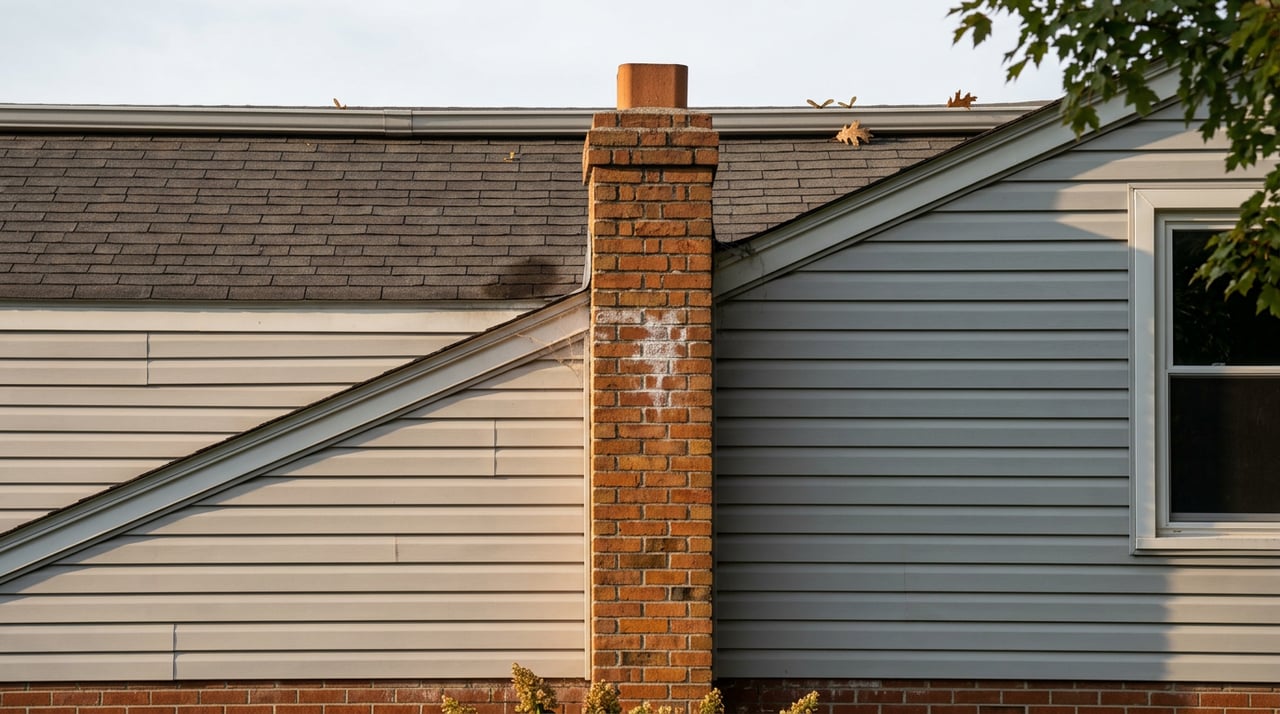
| Chimney removal | Yes | 95 Eliot Street demolition proposal |
| Storm door or shutter changes | Yes | November 2024 hearing weighed both options before approval |
| Replacing wood siding with vinyl | Generally discouraged | Massachusetts historic-district commissions operating under this same legal framework typically favor wood or composite over vinyl and aluminum |
| Interior renovation not visible from the street | No | Certificate requirements apply to exterior work visible from a public way |
How review timing can affect a project
For sellers, timing is one consideration when planning a listing. As of July 2026, Redfin scored the town's overall housing market at 88 out of 100 for competitiveness, with the average home price sitting near $900,000 and typical listings going pending in about 19 days. That is the pace sellers plan around when they think about timing a listing, ordering an inspection, or lining up a closing date.
For properties in the John Eliot or Henry Wilson district, exterior work that requires review can add a separate timeline to project planning. A continuance like the one granted for the Eliot Street solar project does not run on the same clock as a hot real estate market. It runs on the commission's meeting schedule, the completeness of the application, and how much discussion a given project generates. A seller who wants a new roof line, updated siding, or even solar panels installed before listing needs to build weeks of review into the plan, not days.
For sellers, the practical step is to check the commission calendar early and allow time for review before setting a listing date.
What this means if you are buying, selling, or planning a project
If you are considering a sale in South Natick or along West Central Street, the practical move is to separate your renovation timeline from your listing timeline. Anything visible from the street, from a new roof to a chimney change to a solar array, should go through the Certificate of Appropriateness process well before you are ready to put a sign in the yard. Discussing whether a requested repair needs commission approval before an offer is accepted can help buyers and sellers plan for the review process.
If you are buying in one of these districts, ask directly whether any recent or planned exterior work has a certificate on file, and whether any pending applications could affect what you are allowed to change once you own the home. A house that looks move-in ready can still carry an open review question if a prior owner started a project and never finished the approval.
If you already own here and are weighing efficiency upgrades like solar, include the review process in your planning. Recent applications show that solar projects are considered through the same review process as other exterior changes, and a hearing may be continued.
A few questions worth asking before you list or renovate
Does every exterior change need Historic District Commission approval, even something like solar panels? For exterior changes visible from a public way, yes. Multiple 2025 solar applications on Eliot Street went through the same review process as more traditional exterior changes, and at least one was continued to a later hearing rather than decided the same day.
Does being in a historic district affect how a home shows or sells? It does not change the fundamentals of pricing or presentation, but it can affect the timeline for exterior improvements that require review before a sale. Plan for the certificate process to run in parallel with, not after, your listing prep.
Are the rules the same in South Natick and along West Central Street? Both the John Eliot Historic District and the Henry Wilson Historic District fall under the same Natick Historic District Commission, so the certificate requirement applies in both, even though the districts themselves are geographically separate.
Where this leaves you
Natick's historic districts are a consideration when planning a sale, purchase, or renovation in South Natick village or along West Central Street. For exterior projects, factor the commission's review schedule into your plans.
If you are weighing a sale, a purchase, or a renovation inside one of Natick's historic districts and want a read on how the timeline actually works for your specific address, Kristen Gets It Sold can walk through it with you. Get your free home valuation and we will factor in exactly what a Certificate of Appropriateness might mean for your plans.
This article is general information, not legal, tax or financial advice. Consult a qualified professional about your situation.