If you want Boston access without the nonstop pace, Hyde Park deserves a closer look. This neighborhood stands out for something many buyers hope to find but struggle to define: a true residential feel with real green space, local gathering spots, and everyday convenience. If you are wondering why Hyde Park often feels quieter, leafier, and more tucked away than other parts of the city, this guide will walk you through what shapes that experience. Let’s dive in.
Hyde Park’s Setting Feels Different
Hyde Park is Boston’s southernmost neighborhood, and that location helps shape its identity. According to the City of Boston neighborhood profile, Hyde Park offers the amenities of the city in what the city describes as a suburban environment.
That balance is a big part of the appeal. You are still in Boston, but the neighborhood often feels more residential and less crowded than people expect. For buyers who want breathing room without giving up city connections, that can be a meaningful advantage.
A Long History Adds Character
Hyde Park is not a new offshoot of the city. Boston Planning notes that the area dates back to the 1660s, later grew with rail access and manufacturing, and was annexed by Boston in 1912, helping explain why the neighborhood has an established, layered feel rather than a master-planned look.
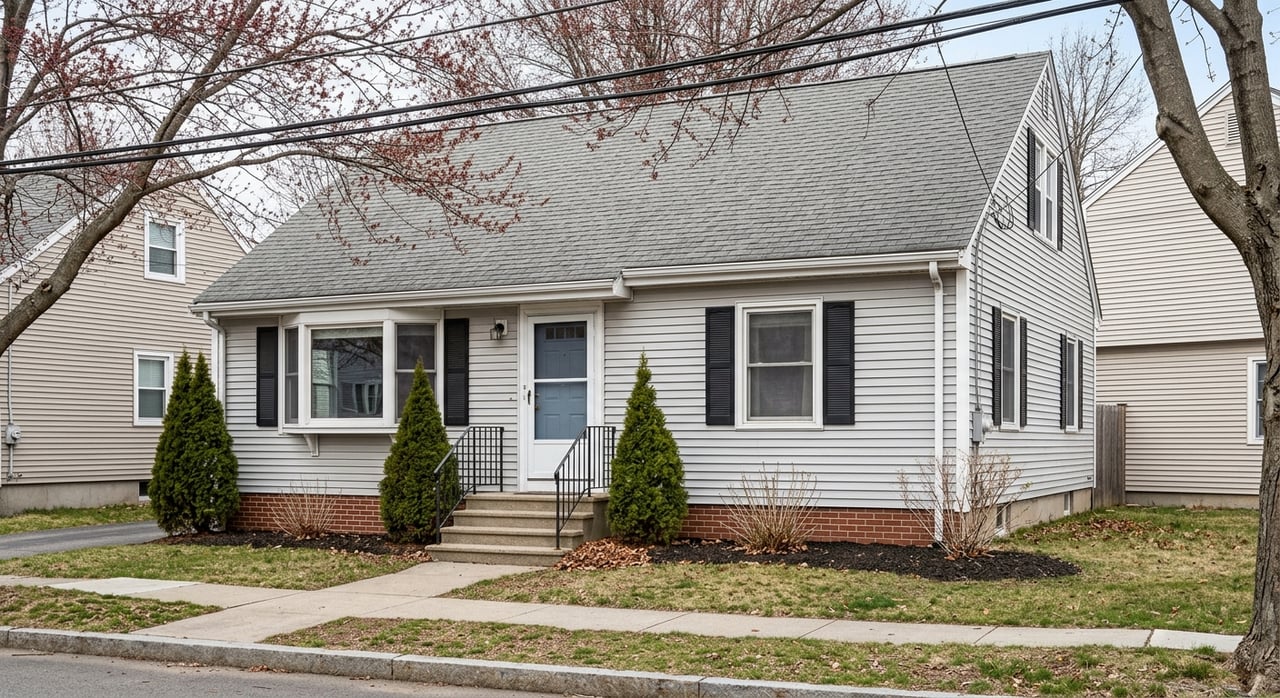
You can see that history in the housing mix and street patterns. Boston Planning describes a neighborhood with historic buildings alongside mid-century single-family homes, which gives buyers a wider range of home styles than they may find in more uniform areas.
Green Space Is a Big Reason It Feels Leafy
One of the clearest reasons Hyde Park feels like a hidden gem is its access to nature. The neighborhood’s outdoor identity is closely tied to Stony Brook Reservation, which Mass.gov describes as a small forest in the middle of Boston.
That is not just a branding phrase. The reservation offers up to 12 miles of trails, Turtle Pond fishing, athletic fields, and a pool and spray deck, creating a real outdoor network for walking, recreation, and downtime.
Stony Brook Reservation Anchors the Area
When a neighborhood has a large natural space woven into daily life, it changes how the area feels. In Hyde Park, Stony Brook Reservation adds tree cover, trail access, and a sense of separation from busier commercial corridors.
For many buyers, that matters as much as square footage. Being able to step outside and reach wooded trails or open recreation space can make a neighborhood feel more relaxed and more livable year-round.
Smaller Green Spaces Add Variety
Hyde Park’s outdoor appeal is not limited to one major destination. Boston’s Urban Wilds pages also highlight Sherrin Woods, a 25-acre site with forested wetlands, meadows, and trails, as well as Deforest Urban Wild, which connects to George Wright Golf Course and Stony Brook Reservation.
That mix of larger and smaller outdoor spaces helps spread the greenery throughout the neighborhood. Instead of relying on one park, Hyde Park has multiple pockets of nature and recreation that support its leafy reputation.
Parks and Recreation Support Daily Life
Beyond the reservation and urban wilds, Hyde Park also has a broad range of neighborhood parks and playgrounds. The Boston Parks and Recreation system lists local spaces such as Amatucci Playground, Iacono/Readville Playground, McGann Park, Reservation Road Park, Ross Playground, and Stonehill Park.
These are the kinds of places that shape daily routines. Whether you are looking for open space, play areas, or casual recreation close to home, the number of neighborhood-scale options helps make Hyde Park feel established and usable, not just scenic.
George Wright Golf Course Adds Another Layer
Hyde Park is also home to George Wright Golf Course, which the city identifies as a Donald Ross-designed public golf course founded in 1938. That is a notable amenity in a Boston neighborhood and adds to Hyde Park’s distinctive identity.
It also reinforces the idea that Hyde Park has room for more than just housing. Recreational assets like this can give the neighborhood a more expansive feel, which is part of why many buyers describe it as a place that does not feel boxed in.
The Neighborhood Has a Stable, Residential Rhythm
Some neighborhoods feel transitional. Hyde Park feels more rooted. Boston Planning’s 2025 estimates place the neighborhood at 33,469 residents and 13,228 housing units, with 58.8% of occupied housing units owner-occupied.
The same data set reports that 89% of residents lived in the same housing unit one year earlier. While every market changes over time, that figure suggests a relatively stable residential environment, which can appeal to buyers who want a neighborhood with continuity and a strong day-to-day sense of place.
Local Business Districts Keep It Connected
A hidden gem still needs everyday convenience. Hyde Park’s commercial life is centered around the Cleary and Logan Square business districts along Hyde Park Avenue, River Street, and Fairmount Avenue, according to the city’s neighborhood page.
These business areas help the neighborhood feel active without overwhelming its residential character. You get local services, restaurants, and gathering places that support daily life while keeping the overall feel neighborhood-scaled.
Dining and Small Businesses Add Personality
Hyde Park Main Streets’ business directory includes neighborhood spots such as Farah's Cafe, Cavan Café, Master McGrath's Pub & Restaurant, Park 54th Restaurant, and Rincon Caribeno. That kind of local dining mix can make a neighborhood feel more personal and less generic.
For buyers, this often matters more than a long list of chain options. A neighborhood’s identity is shaped by the places people return to, and Hyde Park’s small business districts play an important role in that experience.
Community Life Feels Active and Local
Hyde Park’s appeal is not only physical. It also comes from community infrastructure and neighborhood participation. The BCYF Hyde Park community center includes a gymnasium, auditorium, and walking track, giving residents another everyday resource close to home.
The city also added Hyde Park as a 2024 location for its Open Streets program, a car-free, business-friendly community event. Along with multiple neighborhood associations and watches listed by Hyde Park Main Streets, that points to an area with visible civic involvement and community activity.
Transit Helps Hyde Park Stay Connected
One reason Hyde Park can feel hidden without feeling isolated is its transit access. Boston Planning says downtown Boston is reachable via the Fairmount or Providence Commuter Rail Lines, giving residents rail connections while preserving the neighborhood’s quieter residential atmosphere.
That combination can be especially appealing if you want options. You may value a calmer home base, but still need practical access to other parts of Boston for work, errands, or entertainment.
Bus Service Supports Local Mobility
The city’s transportation department describes Hyde Park Avenue as a major corridor and transit backbone served by bus routes 14, 30, 32, 33, and 50. That bus network adds another layer of connectivity within and beyond the neighborhood.
At the same time, Boston Planning notes that car ownership remains much higher than the city average, and 14.4% of households have no vehicle. Together, those figures suggest Hyde Park supports a range of transportation patterns depending on how you live and commute.
Housing Options Add Flexibility
Hyde Park’s housing stock is another reason it attracts a broad range of buyers. Boston Planning highlights historic buildings and mid-century single-family homes, which gives the neighborhood a less uniform housing profile than some other areas.
Recent development has also expanded the mix. The Logan Square Residences added 63 affordable homes for adults 55 and older on River Street, and The Residences at Fairmount Station added 27 rental homes with transit-oriented features near Fairmount Station.
That variety does not make Hyde Park feel overbuilt. Instead, it suggests a neighborhood that continues to evolve while keeping a strong residential base.
Why Buyers Notice Hyde Park
For many buyers, Hyde Park checks boxes that can be hard to find in one place. It offers substantial green space, neighborhood-scale retail and dining, a more suburban-feeling setting, and rail and bus access that keep the rest of the city within reach.
That does not mean Hyde Park is identical to a suburb. It means you may find a different pace and a different physical feel here than in denser Boston neighborhoods. If you want more trees, more recreation, and a more tucked-away atmosphere while staying in the city, Hyde Park is easy to understand once you spend time there.
Why Hyde Park Feels Like a Hidden Gem
In simple terms, Hyde Park feels like Boston’s leafy hidden gem because it combines features that do not always show up together. You have deep neighborhood history, broad outdoor amenities, local business districts, community resources, and practical transit access, all within a part of Boston that still feels distinctly residential.
That balance is what makes Hyde Park stand out. It is not trying to be the busiest or trendiest neighborhood in the city. Its appeal is that it feels grounded, green, and quietly connected.
If you are thinking about buying or selling in Hyde Park or nearby communities, working with an experienced local advisor can help you understand how neighborhood feel translates into real market opportunities. Connect with Kristen Meleedy for thoughtful guidance, strong advocacy, and a smooth next step.
FAQs
What makes Hyde Park feel more suburban than other Boston neighborhoods?
- Hyde Park is described by the City of Boston as offering city amenities in a suburban environment, with substantial green space, a residential housing mix, and neighborhood-scale business districts.
What outdoor spaces are available in Hyde Park, Boston?
- Hyde Park includes Stony Brook Reservation, Sherrin Woods, Deforest Urban Wild, George Wright Golf Course, and a range of neighborhood parks and playgrounds throughout the area.
What transit options connect Hyde Park to downtown Boston?
- Hyde Park has access to the Fairmount and Providence Commuter Rail Lines, and Hyde Park Avenue is served by bus routes 14, 30, 32, 33, and 50.
What types of homes can you find in Hyde Park?
- According to Boston Planning, Hyde Park includes historic buildings and mid-century single-family homes, along with some newer apartment-style and age-restricted housing options.
Is Hyde Park a stable residential neighborhood in Boston?
- Boston Planning data shows a majority of occupied homes are owner-occupied and reports that 89% of residents lived in the same housing unit one year earlier, suggesting a relatively stable residential market.
Why might homebuyers consider Hyde Park in Boston?
- Hyde Park may appeal to buyers who want a quieter, greener, more residential-feeling Boston neighborhood with local businesses and practical rail and bus access.